Subfloor Replacement in Wilmington, NC
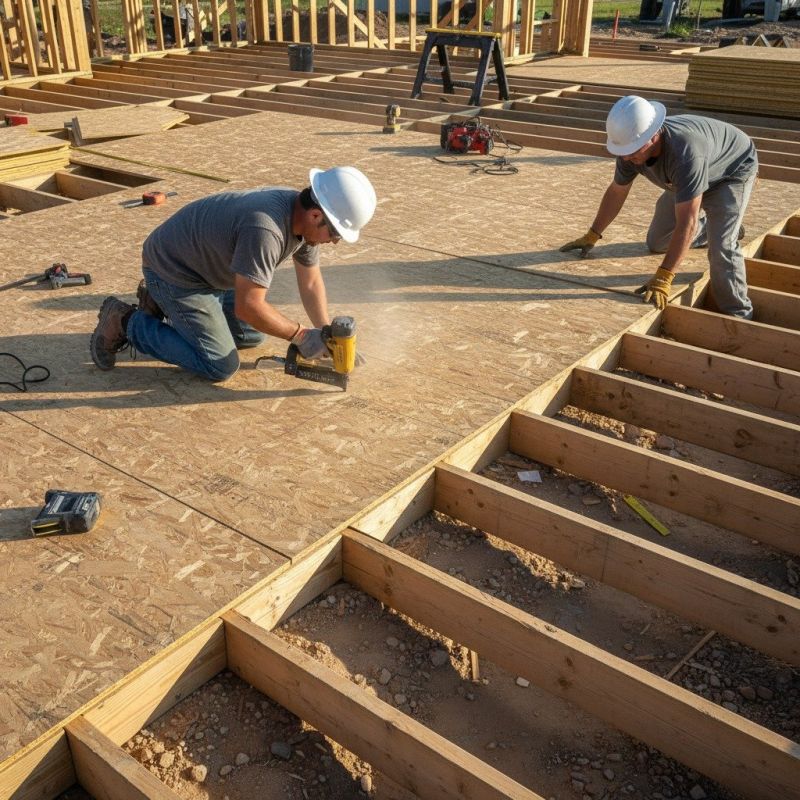
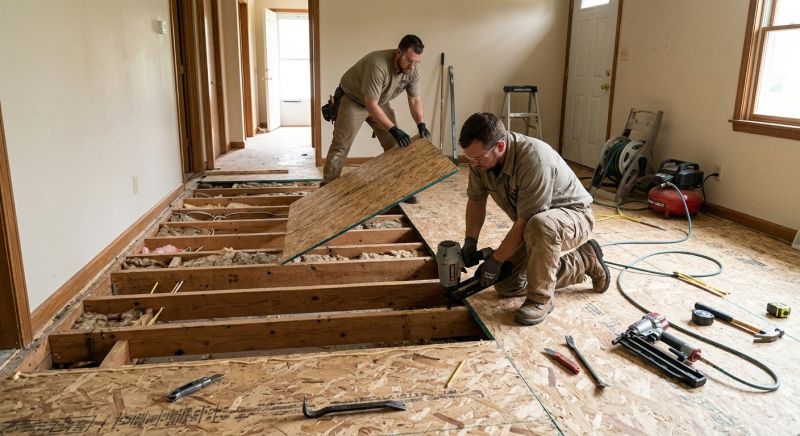
Subfloor replacement services involve removing damaged or deteriorated subflooring and installing new material to provide a stable foundation for flooring surfaces. This process is commonly needed in projects where water damage, rot, mold, or structural issues have compromised the integrity of the existing subfloor. Property owners often seek this service when experiencing uneven floors, creaking sounds, or visible signs of damage beneath carpets, hardwood, or tile. It covers a range of projects including renovations, water damage repairs, or addressing foundational concerns that affect the overall stability of a home or commercial space.
Before requesting subfloor replacement, property owners typically want to understand the extent of the damage, the types of materials suitable for their specific flooring and building structure, and the potential impact on their flooring installation timeline. It's also important to consider any underlying issues such as moisture or mold that may need to be addressed during the replacement process. Clear communication about the scope of work, including whether additional repairs or moisture mitigation are necessary, can help ensure the project meets the property's needs effectively.
Many property owners in Wilmington, NC look into Subfloor Replacement for repairs, replacements, upgrades, and appearance-related improvements.
Signs You Need Subfloor Replacement
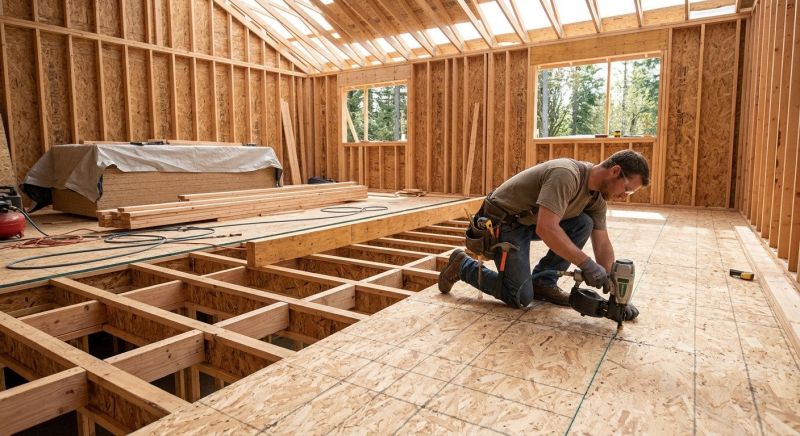
Visible warping, sagging, or creaking floors can indicate subfloor damage that requires replacement.
Benefits Of Subfloor Replacement
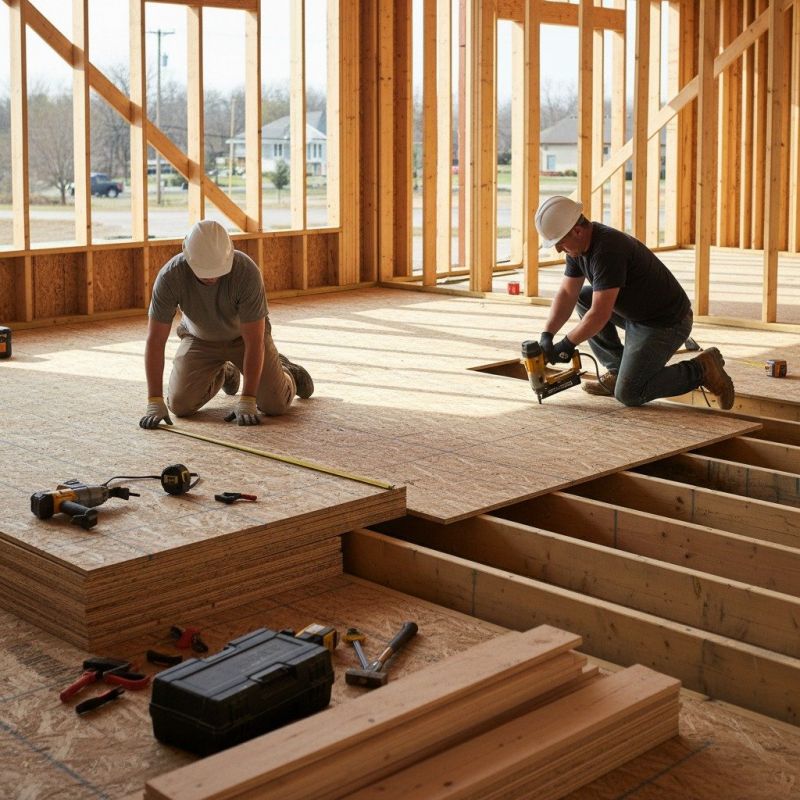
Replacing damaged subfloors enhances structural stability and improves the overall safety of your home.
Common Projects Requiring Subfloor Work
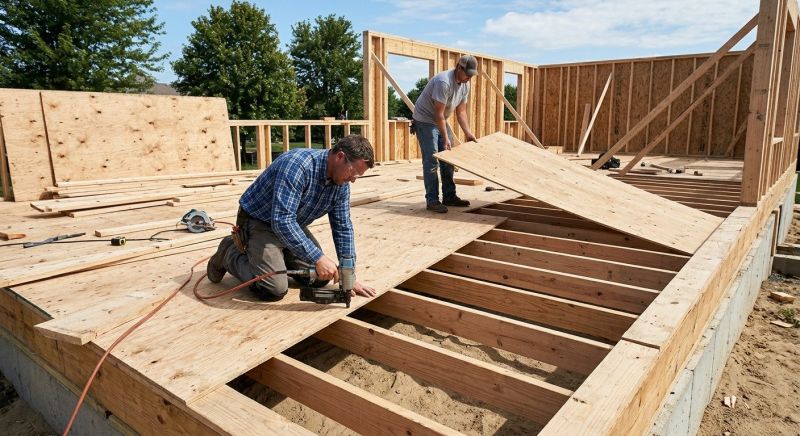
Subfloor replacement is often needed during renovations, water damage repairs, or after flooring installations in wilmington homes.
Subfloor Replacement in Wilmington, NC
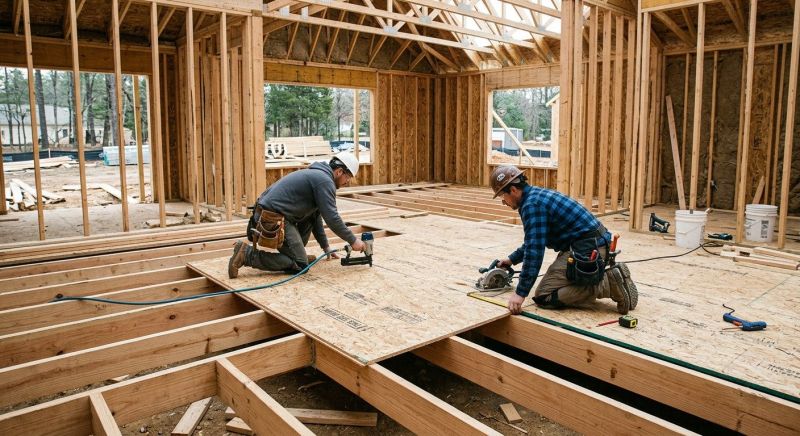
Subfloor replacement services involve removing damaged or deteriorated subflooring and installing new material to provide a stable foundation for flooring surfaces. This process is commonly needed in projects where water damage, rot, mold, or structural issues have compromised the integrity of the existing subfloor. Property owners often seek this service when experiencing uneven floors, creaking sounds, or visible signs of damage beneath carpets, hardwood, or tile. It covers a range of projects including renovations, water damage repairs, or addressing foundational concerns that affect the overall stability of a home or commercial space.
Before requesting subfloor replacement, property owners typically want to understand the extent of the damage, the types of materials suitable for their specific flooring and building structure, and the potential impact on their flooring installation timeline. It's also important to consider any underlying issues such as moisture or mold that may need to be addressed during the replacement process. Clear communication about the scope of work, including whether additional repairs or moisture mitigation are necessary, can help ensure the project meets the property's needs effectively.
Many property owners in Wilmington, NC look into Subfloor Replacement for repairs, replacements, upgrades, and appearance-related improvements.
Common Subfloor Replacement Jobs
Subfloor Replacement - involves removing damaged or rotted subflooring to restore structural integrity.
Water Damage Repair - replaces subfloor sections affected by leaks or flooding to prevent mold growth.
Floor Leveling - addresses uneven subfloors to ensure a smooth, stable surface for new flooring installation.
Rot and Mold Removal - removes compromised subfloor material caused by moisture and prevents further deterioration.
Structural Reinforcement - strengthens the foundation beneath the flooring to support safe and durable surfaces.
Old Subfloor Removal - safely extracts outdated or damaged subflooring to prepare for new, improved materials.
Subfloor Replacement Questions
What are signs that subfloor replacement is needed? Signs include sagging floors, persistent squeaks, or visible damage like rot or mold.
Which types of flooring can be affected by subfloor issues? Hardwood, laminate, tile, and carpeted floors can all be impacted by subfloor problems.
What causes subfloor damage? Common causes include moisture intrusion, water leaks, or prolonged exposure to humidity.
Is subfloor replacement necessary for all floor repairs? Not always, but replacement is recommended when the subfloor is significantly damaged or compromised.
Request Subfloor Replacement in Wilmington, NC
Use the quote form on this page to share the basics of your project and request more information for the type of work you need.